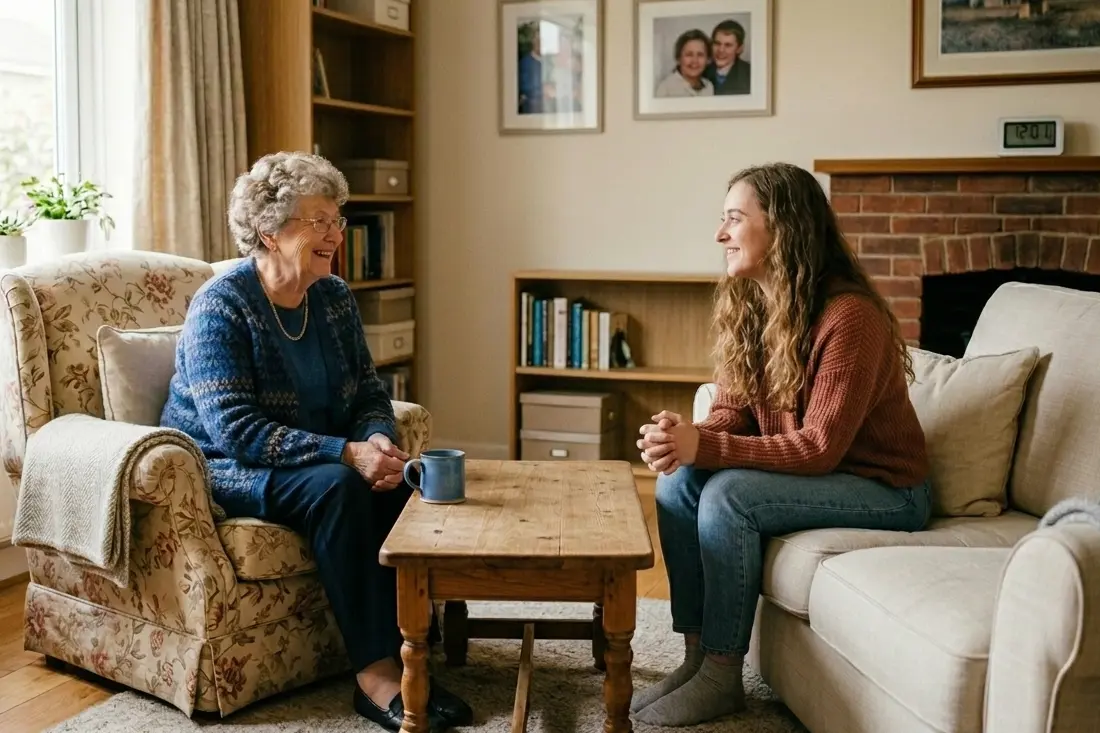
September is World Alzheimer’s Month, a time set aside to raise awareness about Alzheimer’s disease and other forms of dementia and to support the families who care for loved ones living with memory loss. In Central Texas alone, thousands of families are navigating this journey, and more than 80% of seniors living with dementia are cared for at home by a family member or friend. That makes the home itself one of the most important tools a family has for keeping a loved one safe, calm and comfortable.
Creating a dementia-friendly home does not require a full renovation. It simply means looking at everyday spaces through a different lens and making small adjustments that reduce confusion and risk while preserving dignity and independence for as long as possible.
Simplify and Declutter
A cluttered home can be disorienting for someone with dementia. Clear pathways of loose rugs, cords and excess furniture to reduce fall risk, and keep frequently used items like glasses, medications and the phone in the same visible spot every day. Predictability builds confidence and reduces anxiety.
Improve Lighting and Visual Cues
Poor lighting can increase confusion and the likelihood of falls, especially in hallways, stairwells and bathrooms. Add nightlights, increase wattage where needed and use contrasting colors between floors, walls and furniture to help define boundaries. Labeling drawers or cabinets with simple words or pictures can also help a loved one locate what they need without frustration.
Secure Hazards Throughout the Home
Kitchens and bathrooms carry particular risk. Consider stove knob covers, locking away cleaning products and medications and installing grab bars near the tub or toilet. Door and window alarms can offer peace of mind for caregivers concerned about wandering, a common and serious safety issue in mid to late stage dementia.
Establish Calm, Consistent Routines
Familiar daily routines, consistent caregivers and a calm, quiet environment can significantly ease agitation and confusion. This is one reason compatibility and trust with a routine in-home caregiver are so important for someone living with memory loss.
Communicate with Patience and Simplicity
Speak slowly, use short sentences and give your loved one time to process what has been said. Avoid correcting or arguing over small details, and instead focus on emotional connection rather than factual accuracy. A gentle tone and reassuring presence often matter more than the words themselves.
How Blue Water Homecare Can Help
Blue Water Homecare and Hospice offers a dedicated Dementia Care program built around consistency, safety and companionship. Our caregivers provide memory engagement activities, medication reminders, personal care assistance and safety monitoring, all customized to each client’s stage of dementia and home environment.
This World Alzheimer’s Month, take a fresh look at your loved one’s home and consider whether small changes, or some extra support, could make daily life safer and calmer for everyone involved.
If you would like guidance on creating a dementia-friendly home or want to learn more about our Dementia Care program, contact Blue Water Homecare and Hospice at 512-872-2955 to schedule a conversation with our team.